Distributed Ledgers Transforming Mobile Casino Operations: Linking Bonus Codes to Rapid Payout Flows
Written by Yves Koch · Aug 25, 2026
Distributed Ledgers Transforming Mobile Casino Operations: Linking Bonus Codes to Rapid Payout Flows
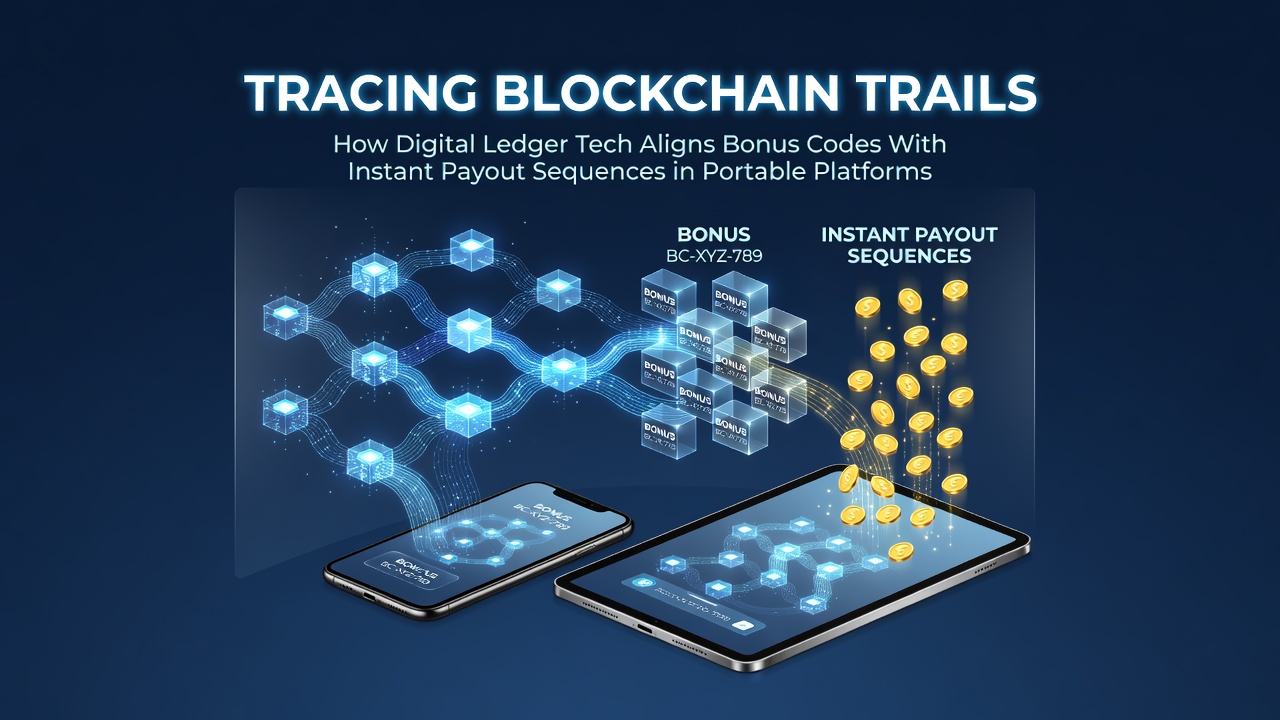
Digital ledger technology records every transaction step in mobile casino environments, and this creates traceable paths that connect bonus codes directly to payout sequences. Portable platforms use these ledgers to log code activation, wagering progress, and withdrawal triggers in a single immutable chain. Observers note that the system reduces discrepancies because each entry carries a timestamp and cryptographic signature that platforms verify in real time.
Ledger Architecture in Portable Gaming Systems
Blockchain networks designed for gaming applications store bonus code data alongside player account activity, and they do so across distributed nodes that multiple operators can access without a central authority. Researchers at various institutions have documented how mobile apps query these nodes during code redemption, which allows the system to match the code's conditions with the player's current balance and play history. Data from industry reports shows that transaction finality occurs within seconds on optimized chains, and this speed supports the instant payout sequences that mobile users expect.
Smart contracts execute the alignment automatically once predefined thresholds are met, while the ledger maintains a complete audit trail for compliance checks. Those who've examined the code structures find that parameters such as minimum deposit amounts, game eligibility, and maximum cashout limits sit inside the contract logic rather than in separate databases. This integration means that when a player initiates a withdrawal, the platform pulls the verified sequence from the chain instead of cross-referencing multiple internal records.
Sequence Matching Process on Mobile Devices
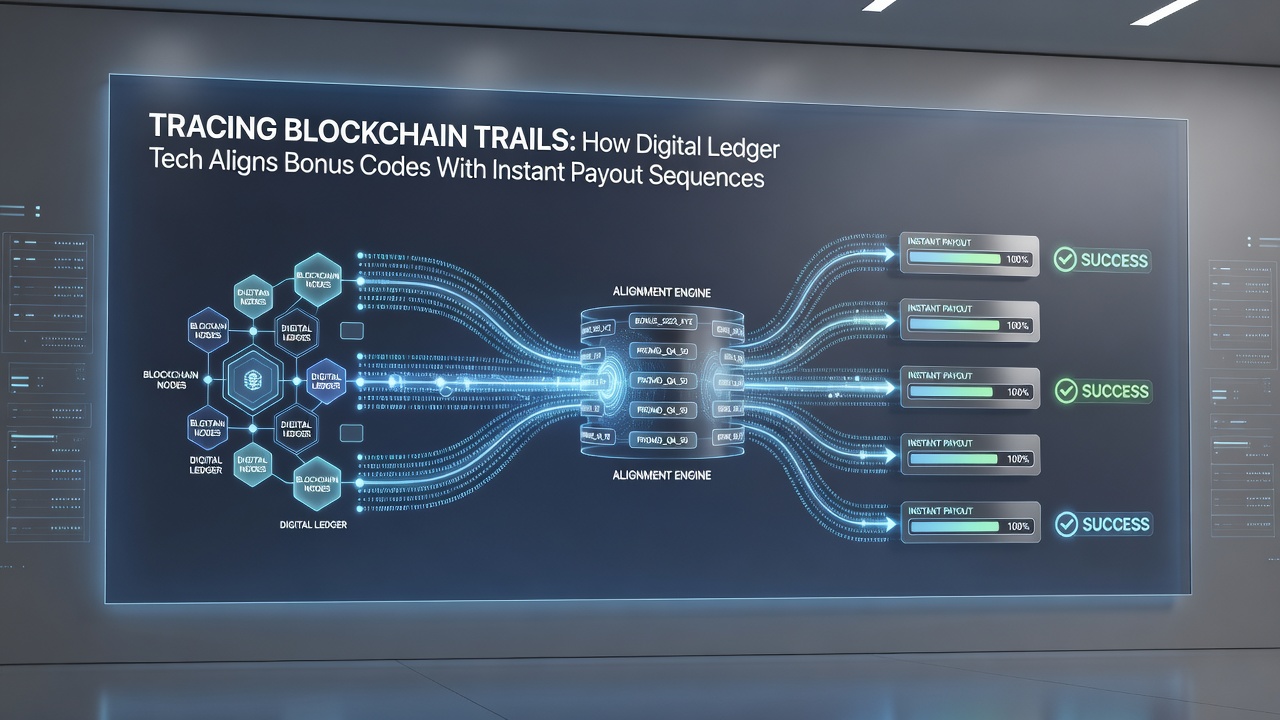
The process begins when a player enters a bonus code in the app interface, and the mobile client immediately broadcasts the entry to the ledger network. Nodes validate the code against active campaigns, then append a new block that includes the player's device identifier, the code value, and the starting balance adjustment. Subsequent spins or bets update the same chain entry, and the contract monitors cumulative wagers until the required playthrough completes.
Once conditions clear, the ledger flags the sequence as eligible for payout, and the platform pushes the funds through the chosen withdrawal method. Figures reveal that this end-to-end flow often finishes in under two minutes on networks optimized for gaming traffic. Portable platforms running on 5G connections experience even shorter confirmation times because latency between the device and the nearest node drops significantly.
Developments Observed in August 2026
By August 2026 several mobile casino operators had expanded their use of permissioned blockchains to handle higher volumes of bonus-related transactions. Reports from the New Jersey Division of Gaming Enforcement indicated that licensed platforms recorded a measurable increase in same-day payouts tied to ledger-verified sequences. The same documents noted that operators updated their apps to include real-time chain explorers so players could view the status of their bonus progress without contacting support.
Industry associations tracked these changes across multiple jurisdictions, and they found that the adoption rate correlated with reduced dispute volumes. Portable platforms that implemented the updated ledger protocols reported fewer manual reviews because the chain itself served as the authoritative record. Observers documented that average payout processing times dropped further when operators combined the ledger with instant banking rails already common in mobile ecosystems.
Compliance and Verification Advantages
Regulatory bodies in various regions require operators to maintain detailed records of bonus usage and payout decisions. Distributed ledgers satisfy these requirements by supplying an unaltered history that auditors can query directly. According to research published by academic groups studying applied cryptography, the verification process takes minutes rather than hours when the data already resides on a tamper-resistant chain.
One study revealed that platforms using these systems experienced fewer chargeback incidents because the sequence of code activation through payout remained visible and attributable. Mobile operators that adopted the technology also integrated it with existing know-your-customer procedures, and the combined workflow allowed faster account approvals without sacrificing verification standards.
Conclusion
Distributed ledger systems continue to shape how mobile casino platforms handle bonus codes and payout sequences. The technology creates a unified record that aligns promotional offers with withdrawal eligibility, and operators have scaled these capabilities through 2026. Evidence from regulatory filings and technical analyses shows that teh approach delivers faster verification while preserving the auditability that oversight agencies require. Portable platforms that maintain these ledger connections position themselves to meet both player expectations and compliance obligations as transaction volumes grow.