Pathways in Tiered Incentives for Mobile Wagering Users
Written by Yves Koch · Aug 13, 2026
Pathways in Tiered Incentives for Mobile Wagering Users
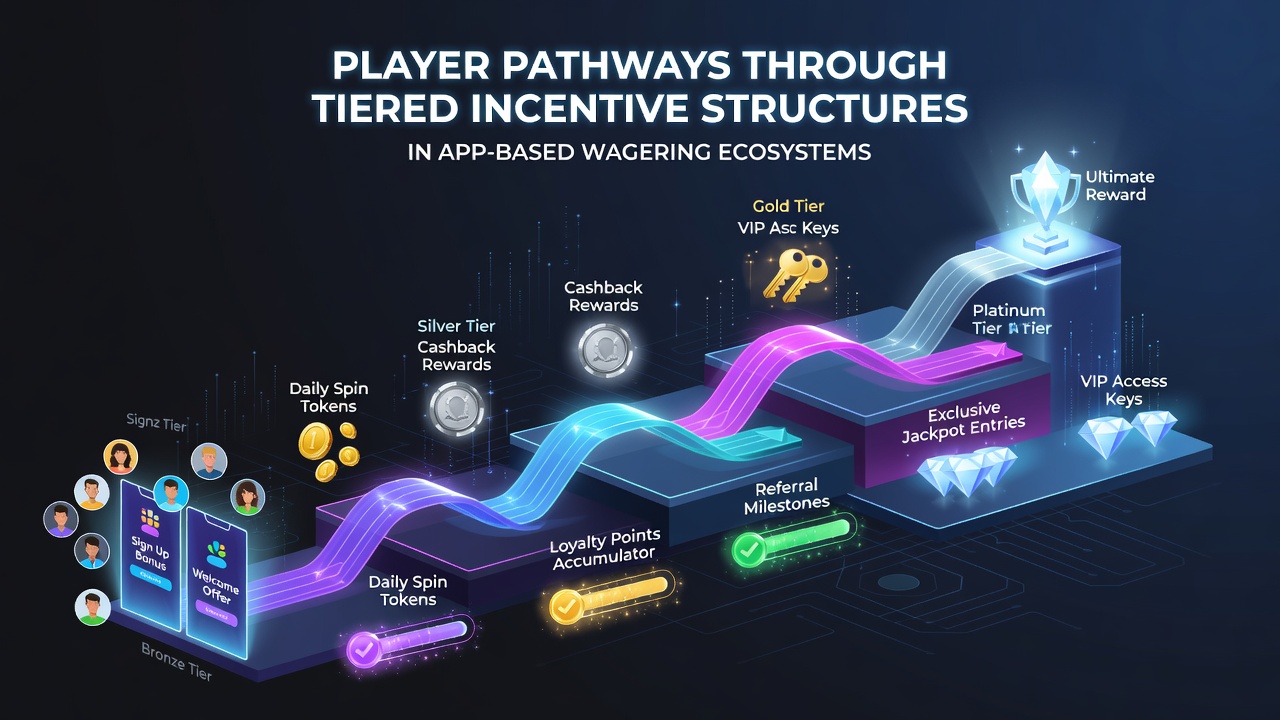
App-based wagering platforms organize player engagement through structured incentive layers that reward consistent activity with escalating benefits, and these systems create defined routes from initial sign-up to higher status levels. Operators design entry points around welcome offers that convert into sustained play, while data from industry reports shows users advance by meeting volume thresholds in deposits, wagers, and session frequency.
Entry Mechanisms and Initial Progression
Users typically begin at base tiers where standard promotions apply, yet platforms integrate tracking tools that log every transaction and spin to calculate eligibility for elevation. Research from the University of Las Vegas gaming studies indicates that structured point systems accelerate movement when combined with time-limited challenges, allowing participants to accumulate credits toward the next level within weeks rather than months. Those who study retention patterns note that clear visual dashboards in apps display progress bars, which encourage continued interaction without external prompts.
Bonuses at lower tiers often carry higher playthrough multipliers, but advancement unlocks reduced requirements and cashback percentages that scale with status. Figures from the Nevada Gaming Control Board reveal that mobile segments saw tier upgrades increase by measurable margins in recent tracking periods, particularly when apps synchronized daily login streaks with deposit matches.
Mid-Level Transitions and Reward Adjustments
Once players reach intermediate tiers, incentive structures shift toward personalized offers such as free spin allocations tied to specific game categories or exclusive tournament entries. Observers note that these adjustments maintain momentum because the perceived value rises even as overall wagering volume remains steady. Platforms frequently employ algorithms that analyze past behavior to suggest pathways, for instance routing high-volatility game users toward tiers with risk-adjusted cashback rather than flat bonuses.
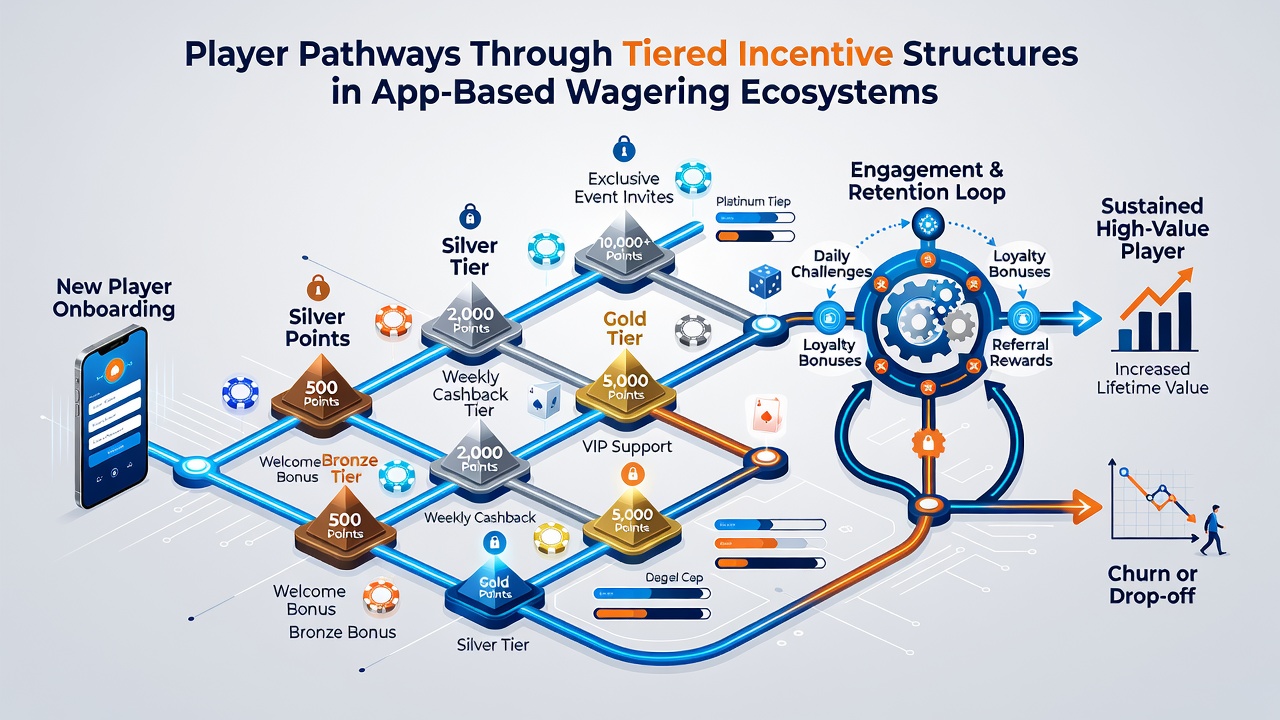
What's interesting here is how mid-tier users often encounter hybrid rewards that blend monetary and experiential elements, like virtual goods or priority support access. Data shows these combinations extend session lengths because participants perceive multiple value streams instead of single payout mechanics. And since August 2026 several platforms have introduced cross-app loyalty bridges that let progress transfer between affiliated titles, creating broader ecosystems where a single account feeds multiple advancement tracks.
Advanced Tier Benefits and Retention Dynamics
Higher tiers grant access to dedicated account managers, lower withdrawal thresholds, and bespoke bonus negotiations that reflect individual play profiles. Industry analyses from the European Gaming and Betting Association highlight that users at these stages demonstrate longer platform tenure when reward frequency aligns with personal preferences rather than generic schedules. Pathways at this level emphasize sustainability, incorporating responsible play reminders alongside premium features to balance engagement with regulatory expectations across jurisdictions.
Those who've examined transaction logs find that top-tier participants generate disproportionate revenue through volume yet receive proportionally higher return rates via tailored incentives. This equilibrium supports platform economics while giving users tangible markers of status that extend beyond monetary gains, such as leaderboard visibility or early access to new releases.
Measurement Tools and Pathway Optimization
Apps deploy analytics suites that map individual journeys, identifying drop-off points where tier requirements feel misaligned with user capacity. Reports compiled by the Canadian Centre for Gaming Research demonstrate that A/B testing of requirement thresholds improves completion rates when adjustments account for regional play habits and device preferences. Operators refine these models continuously, incorporating feedback loops from in-app surveys to adjust point values or unlock conditions without disrupting established user flows.
External factors like payment method compatibility and regional currency handling also influence progression speed, since seamless transactions reduce friction in meeting deposit-related criteria. Platforms that integrate multiple gateways tend to see faster tier climbs according to aggregated industry metrics.
Conclusion
Tiered incentive frameworks in app-based wagering therefore function as navigational systems that convert routine activity into measurable advancement, supported by transparent tracking and adaptive rewards. Evidence from multiple regulatory and academic sources confirms these structures sustain engagement across diverse user segments when calibrated to behavioral data. As platforms evolve, pathway designs continue to incorporate new variables such as seasonal events or multi-app integrations that extend the reach of core loyalty mechanics.