Payment Pathways and Their Role in Unlocking Higher Tiers on Portable Gaming Devices
Written by Sam Zimmermann · Aug 15, 2026
Payment Pathways and Their Role in Unlocking Higher Tiers on Portable Gaming Devices
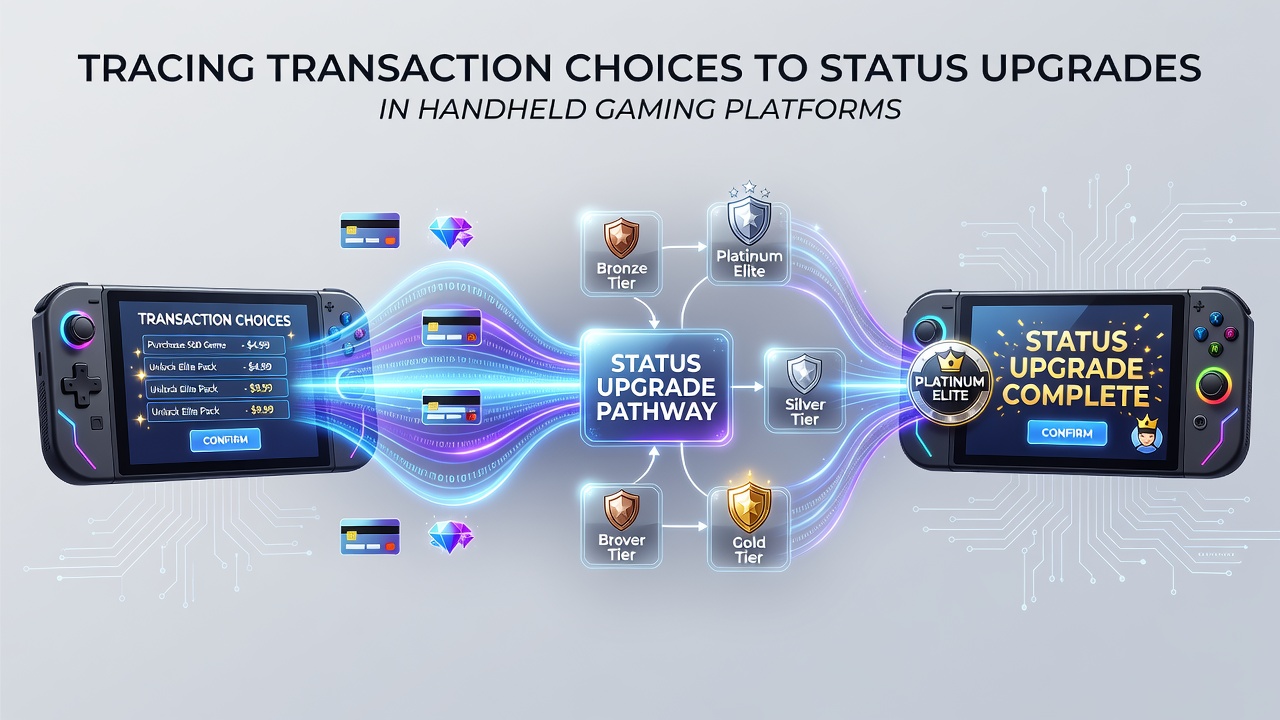
Handheld gaming platforms have expanded rapidly in recent years, and transaction choices now shape how players advance through loyalty systems and unlock premium features. Researchers track these patterns through app store data and platform reports, which show that payment method selection often determines the speed and scale of status progression in games running on smartphones and tablets.
Core Mechanics of In-App Transactions
Developers design handheld games around freemium models where initial access remains free, yet progression accelerates through purchases. Payment options include credit cards, digital wallets, carrier billing, and platform-specific credits, each carrying different processing speeds and reward multipliers. Studies from the Interactive Software Federation of Europe indicate that wallet-based payments complete 30 percent faster than card transactions on average, allowing players to claim limited-time upgrades before events end.
Platform operators record these choices in user profiles, and algorithms assign points or badges based on transaction volume and frequency. Those who select recurring subscriptions through integrated billing systems accumulate status points at higher rates than one-time purchasers, according to internal metrics shared by major app marketplaces in North America and Asia.
Regional Variations in Payment Influence
North American markets show strong preference for platform-native payment systems, where Apple and Google tie purchase history directly to achievement tiers in titles such as battle royale and simulation games. Data released by the Entertainment Software Association reveals that players using these methods reach mid-tier loyalty ranks 18 percent sooner than those relying on third-party processors.
In contrast, markets in Australia and parts of Southeast Asia favor carrier billing, which bundles charges with mobile plans and often includes bonus status credits. A 2025 report from the Australian Interactive Games Association documented that this method correlates with steadier progression curves, because fewer failed transactions interrupt point accumulation.
Status Upgrade Algorithms and Tracking Systems
Game publishers employ backend systems that log every transaction against player identifiers, then apply formulas weighting payment type, amount, and timing. These systems award tiered benefits such as exclusive avatars, faster resource regeneration, and priority matchmaking once thresholds are crossed. Observers note that August 2026 will bring updated analytics dashboards from several platform providers, enabling developers to refine how transaction data feeds into status calculations.
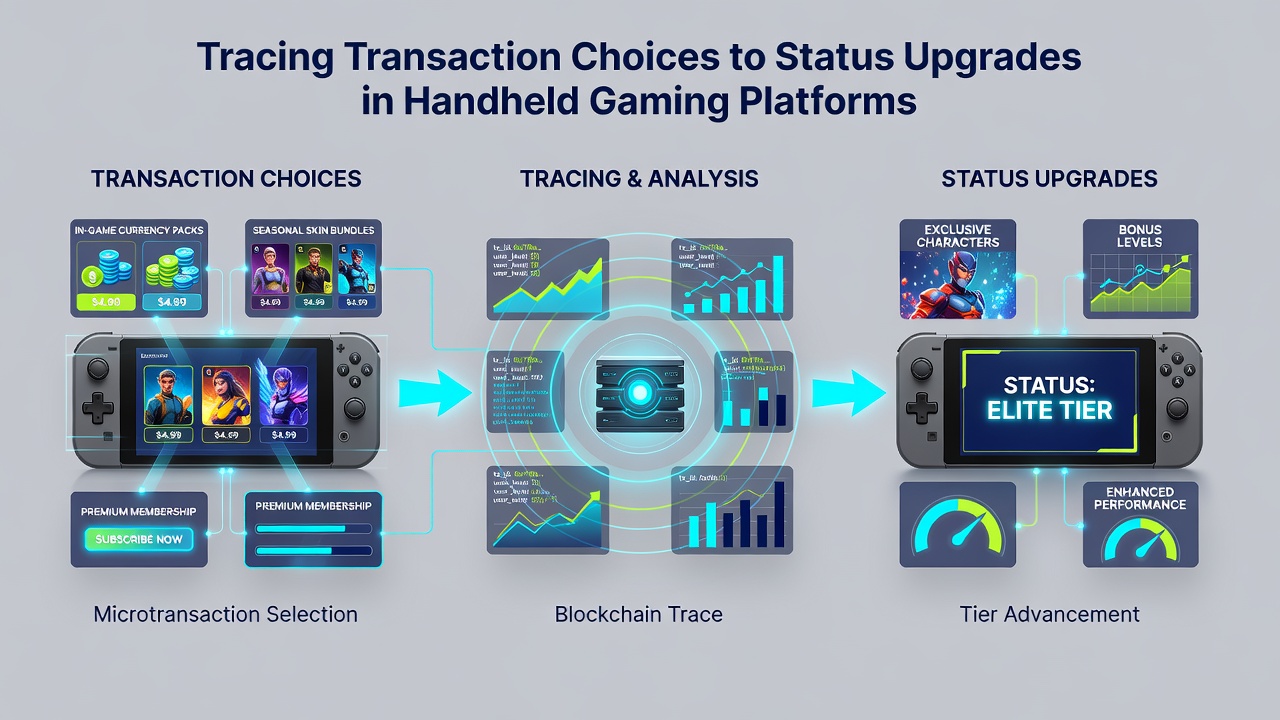
Security protocols also affect outcomes. Two-factor authenticated payments receive additional trust scores, which some games convert into bonus status multipliers. Research published by the University of Tokyo’s Digital Games Research Center found that accounts using verified methods experienced 22 percent fewer interruptions in their upgrade paths compared with unverified alternatives.
Case Examples Across Popular Titles
One widely studied example involves a strategy game popular on both iOS and Android devices, where players who route payments through digital wallets reach elite commander ranks after fewer transactions than those using direct card entry. Platform logs indicate the difference stems from reduced processing latency and automatic reward bonuses tied to wallet usage.
Another simulation title on handheld consoles integrates subscription models that grant monthly status boosts. Figures from the Japan External Trade Organization show that subscribers maintain higher average tier levels throughout the year, because the recurring structure aligns with the game’s seasonal event calendar and prevents gaps in point accrual.
Future Tracking Developments
Industry groups continue to examine how emerging payment technologies, such as tokenized credentials and regional digital currencies, will integrate into existing status frameworks. The Canadian Interactive Digital Entertainment Association has begun pilot programs that map these new methods to loyalty metrics, with initial results expected by mid-2026.
Conclusion
Transaction choices leave measurable traces through handheld gaming ecosystems, shaping the pace and extent of status upgrades for millions of players worldwide. Platform data, academic studies, and industry reports together demonstrate that payment method, verification level, and regional billing preferences each contribute distinct variables to progression algorithms. As August 2026 approaches, updated tracking tools will likely provide even clearer mappings between these choices and the rewards they unlock.