Smartphone Ecosystems and Cryptocurrency: Mapping the Journey from User Incentives to Loyalty Tier Payouts
Written by Sam Zimmermann · Aug 20, 2026
Smartphone Ecosystems and Cryptocurrency: Mapping the Journey from User Incentives to Loyalty Tier Payouts
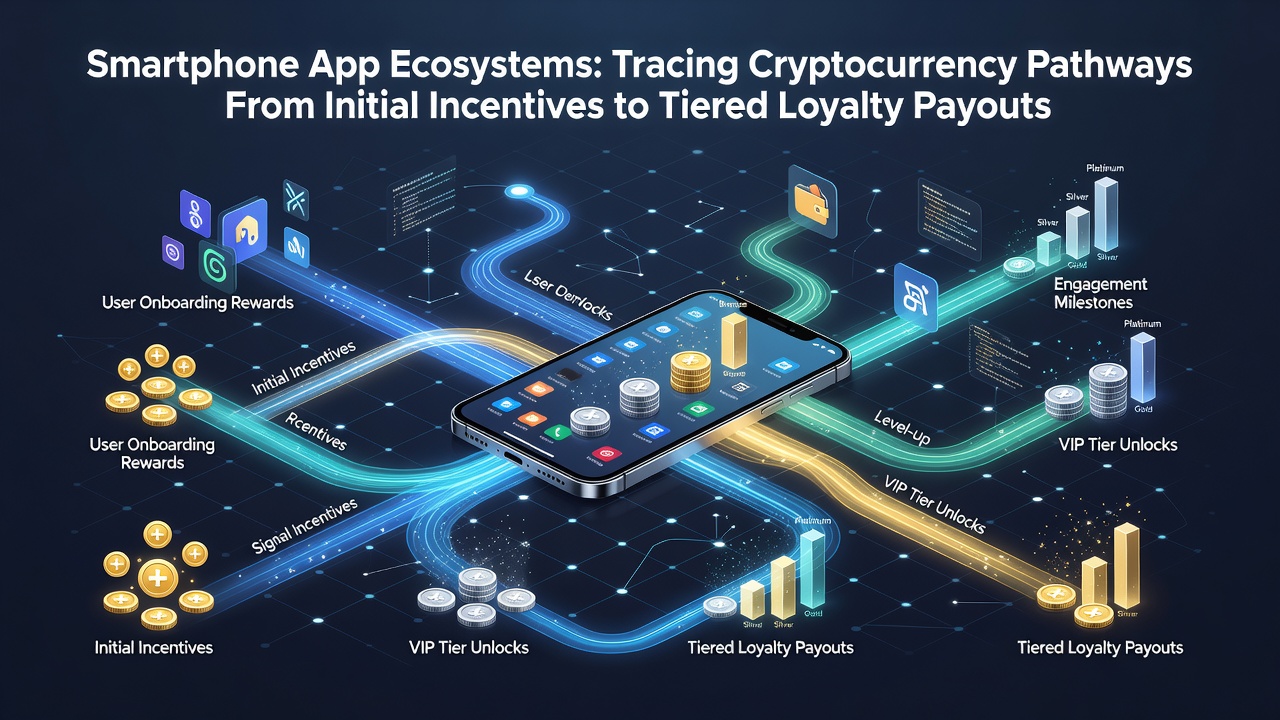
Smartphone applications have incorporated cryptocurrency mechanisms into their reward structures for several years, creating pathways that begin with basic user incentives and extend through progressive loyalty tiers toward eventual payout options. Data from industry reports show that developers integrate digital tokens or coins at the entry level to encourage initial downloads and account creations, then scale those holdings based on user activity metrics such as session duration, in-app purchases, and referrals.
Entry-Level Incentives and Their Structure
Many applications start by offering small cryptocurrency allocations upon registration, often in the form of native tokens that users can hold or trade within the platform ecosystem. These initial amounts typically range from fractions of a coin to fixed unit values, depending on the app category and regional market conditions. Observers note that such incentives align with broader digital economy trends, where user acquisition costs drive early-stage rewards. Research indicates that apps in finance and productivity categories have adopted this model more rapidly than others, with token distribution handled through automated smart contracts that record each allocation on a public ledger.
Users receive these starting holdings after completing basic verification steps, and the tokens remain locked until certain conditions are met. This setup allows developers to track engagement while giving participants a tangible entry point into the app's economy. Figures from 2025 deployments reveal that retention rates increase when these starter incentives carry a visible market value, even if modest at the outset.
Progression Through Activity-Based Accumulation
Once inside the ecosystem, users accumulate additional cryptocurrency through repeated interactions that the app logs and converts into token credits. Tasks such as completing profiles, inviting contacts, or achieving daily usage milestones trigger incremental deposits. The system calculates these additions using predefined algorithms that factor in both quantity and quality of engagement, ensuring higher-value activities yield proportionally larger rewards.
According to analyses from the US Federal Trade Commission on digital marketplaces, transparency in these conversion rates helps maintain user trust across different app categories. Developers publish the formulas on their support pages, allowing participants to forecast potential earnings based on their planned activity levels. This stage bridges the gap between one-time sign-up bonuses and sustained participation, forming the foundation for tier advancement.
Tier Advancement and Multiplied Rewards
Loyalty programs within these smartphone ecosystems divide users into graduated levels, each unlocking enhanced cryptocurrency earning rates and additional benefits. Advancement depends on cumulative points or token thresholds reached over defined periods, with data logs determining eligibility. Lower tiers might offer standard accumulation speeds, while higher ones multiply rewards by factors ranging from 1.5x to 5x, alongside perks such as priority support or exclusive features.
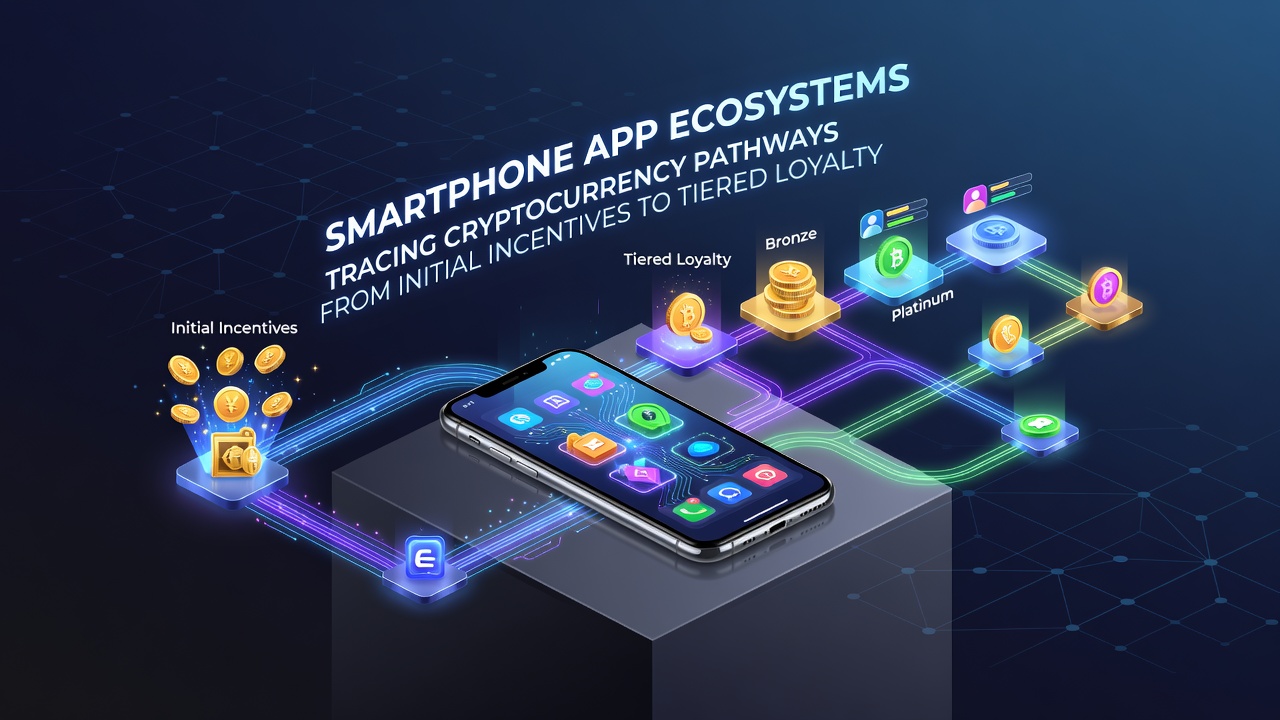
Studies from academic institutions, including reports issued by the University of Melbourne's Centre for Digital Transformation, document how these tiered structures encourage longer-term commitment. Users who reach mid-level status often see their initial incentive holdings grow substantially through compounded activity rewards. By August 2026, several major platforms plan to introduce dynamic tier recalibrations tied to overall network activity, adjusting thresholds automatically based on aggregate user data.
Payout Pathways and Conversion Options
Reaching higher loyalty tiers opens direct pathways to converting accumulated cryptocurrency into external value. Apps facilitate withdrawals to personal wallets, exchanges, or linked bank accounts, with processing handled through integrated blockchain protocols. Minimum payout thresholds vary by tier, decreasing as users advance, while transaction fees are often subsidized at premium levels to encourage redemption.
Evidence from Canadian regulatory reviews conducted by the Ontario Securities Commission highlights that clear documentation of withdrawal timelines and tax implications supports compliant operations across borders. Some ecosystems also permit internal spending of tokens on premium content or services before any external transfer occurs, creating additional utility within the closed loop. Observers have tracked that payout volumes tend to rise during periods of favorable token pricing, reflecting user responsiveness to market signals.
Technical Infrastructure Supporting the Pathways
Backend systems rely on a combination of centralized databases for user tracking and decentralized ledgers for token movements. Smart contracts execute the tier upgrades and reward distributions without manual intervention, logging each step for auditability. Security protocols include multi-factor authentication and periodic wallet audits to safeguard holdings throughout the incentive-to-payout cycle.
Industry organizations such as the GSMA have published guidelines on integrating these technologies into mobile environments, emphasizing compatibility with various operating systems and device specifications. Developers update these infrastructures regularly to accommodate evolving blockchain standards and regulatory expectations in different jurisdictions.
Conclusion
The progression from initial cryptocurrency incentives to tiered loyalty payouts forms a structured sequence within smartphone app ecosystems, driven by activity logging, automated calculations, and tier-based multipliers. Data collected across multiple markets demonstrates consistent patterns in how users move through these stages, with technical safeguards ensuring the integrity of each transition. As platforms refine their models through 2026 and beyond, the pathways continue to evolve in response to usage patterns and infrastructure advancements.