The Dynamics of Flexible Transactions and Hierarchical Benefits in Mobile Entertainment Applications
Written by Yves Koch · Aug 18, 2026
The Dynamics of Flexible Transactions and Hierarchical Benefits in Mobile Entertainment Applications
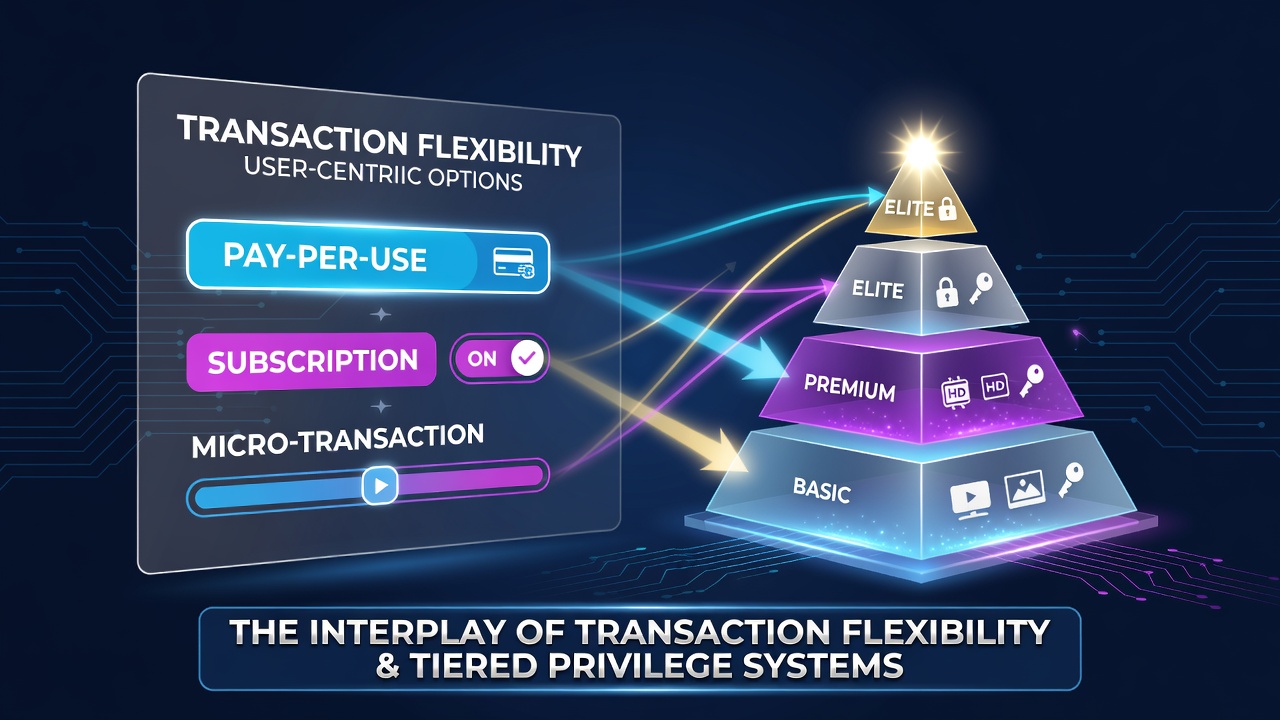
App-based entertainment platforms have developed intricate systems where transaction flexibility interacts directly with tiered privilege structures and these interactions shape how users access content libraries, customization features, and priority support services across video streaming, music services, and interactive media applications. Data from industry reports indicates that platforms adjust payment methods including one-time purchases, recurring subscriptions, and microtransactions while simultaneously maintaining user tiers that unlock additional functionalities based on spending patterns or engagement levels.
Core Components of Transaction Systems
Transaction flexibility encompasses multiple payment pathways that platforms integrate to accommodate varying user preferences and regional regulations. Observers note that many applications support credit cards, digital wallets, carrier billing, and regional payment processors simultaneously which allows users to select options that align with local banking infrastructure or personal financial habits. Research from the Australian Competition and Consumer Commission highlights how these varied methods reduce friction during sign-up processes and subscription renewals while platforms track each transaction to determine eligibility for higher privilege tiers.
Tiered privilege systems categorize users into levels such as basic, standard, and premium where each tier grants distinct advantages including ad-free viewing, offline downloads, higher resolution streaming, and exclusive content releases. Experts have observed that progression between tiers often depends on cumulative transaction volume or frequency rather than single payments which creates ongoing engagement incentives within the platform architecture. According to a study published by researchers at Stanford University, these layered structures appear in over 70 percent of top-grossing entertainment applications in North America and Europe as of 2025.
Interactions Between Flexibility and Tiers
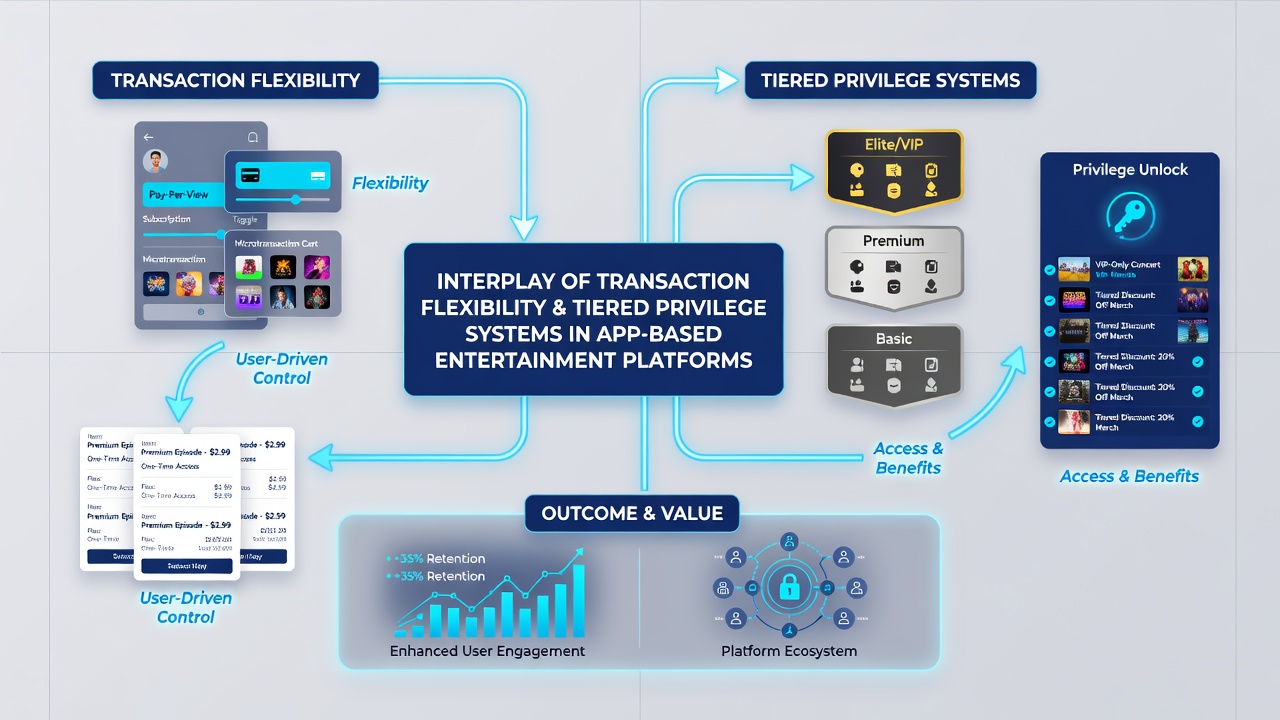
The interplay becomes evident when platforms link payment adaptability to tier advancement criteria because users who utilize flexible options like split payments or loyalty-linked billing often accelerate their movement into elevated tiers. Figures from the European Commission's digital services monitoring program reveal that applications permitting multiple concurrent payment methods report higher average tier progression rates compared to those limited to single payment channels. Those who've studied platform data note that transaction history feeds directly into algorithmic tier calculations which then adjust available privileges in real time.
Platforms frequently synchronize bonus features with tier status such that users in mid-level tiers receive discounted transaction fees or priority access to new payment integrations. This synchronization means that transaction flexibility serves as both an entry point and a maintenance tool for privilege levels. In August 2026 several major entertainment platforms are scheduled to introduce updated billing APIs that further connect regional payment providers with tier management dashboards which will likely expand options for users in emerging markets.
Regional Variations and Platform Examples
Geographic differences influence how these systems operate because regulatory environments in the United States, Canada, and Australia impose distinct requirements on payment transparency and tier disclosure. Canadian regulators through the Competition Bureau have documented cases where platforms must clearly communicate how transaction choices affect long-term privilege accumulation. One case study involving a leading music streaming service showed that users who switched to local payment methods experienced faster tier upgrades due to reduced processing delays and integrated loyalty rewards.
Interactive entertainment applications such as fitness tracking platforms and social content creators' tools demonstrate similar patterns where flexible in-app purchases directly influence access to community features and analytics dashboards reserved for higher tiers. Data indicates that platforms employing these combined systems maintain user retention rates that exceed those of rigid single-payment models by measurable margins according to reports from the International Telecommunication Union.
Technical Implementation and Data Flows
Backend systems manage the interplay through centralized databases that log every transaction alongside corresponding tier status updates while APIs ensure real-time privilege adjustments. Developers implement rules engines that evaluate payment type, amount, frequency, and user history to determine tier eligibility without manual intervention. Observers note that these automated processes rely on secure tokenization methods to handle diverse payment inputs while preserving data integrity across global server networks.
Security protocols play a central role because flexible transaction options increase exposure points yet tiered systems require accurate historical records to function properly. Industry organizations including the Cloud Security Alliance have published guidelines on protecting these interconnected data streams which platforms adopt to maintain compliance with international standards.
Conclusion
Transaction flexibility and tiered privilege systems continue to evolve together within app-based entertainment platforms as technological updates scheduled for August 2026 promise further refinements in payment integration and tier management. Evidence from regulatory bodies and academic research demonstrates measurable impacts on user behavior and platform economics across multiple regions while technical architectures support the seamless connection between payment choices and privilege outcomes. These dynamics remain central to how entertainment applications structure access and rewards in an increasingly digital environment.