Tiered Reward Systems Driving Engagement Trends in Mobile Gaming Apps
Written by Greta Jung · Sep 6, 2026
Tiered Reward Systems Driving Engagement Trends in Mobile Gaming Apps
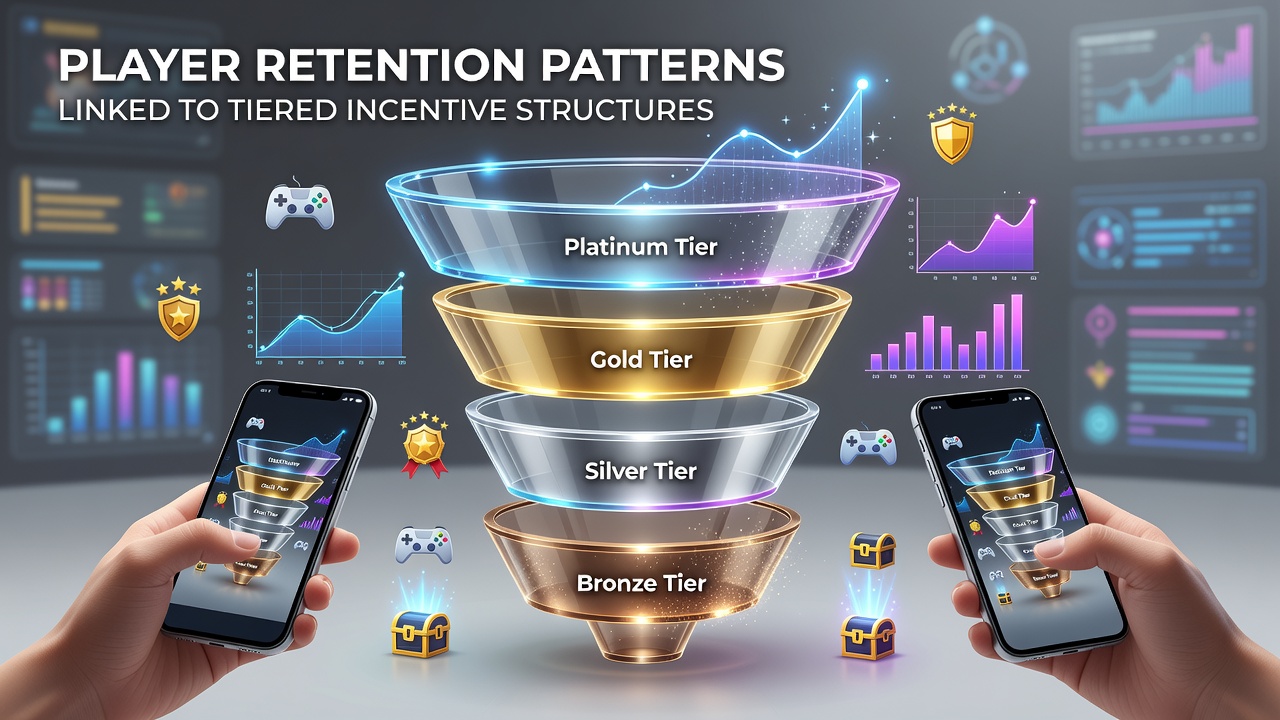
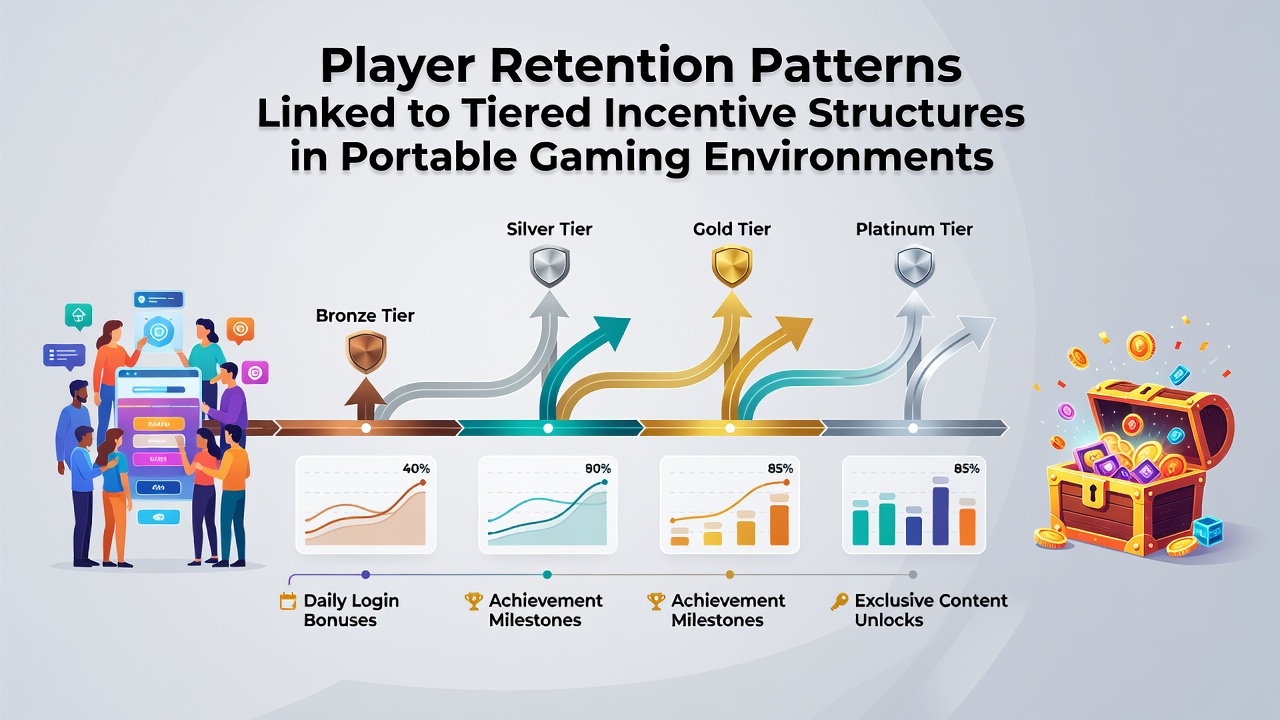
Portable gaming environments have seen tiered incentive structures emerge as central tools for managing player activity, where systems assign users to progressive levels based on deposit volume, play frequency, and engagement metrics. These frameworks typically feature entry-level benefits that expand into premium perks such as exclusive free spins, cashback percentages, and personalized support as participants climb ranks, and data from industry reports shows correlations between these layers and extended session lengths across mobile platforms.
Core Components of Tiered Models
Operators design these structures around measurable criteria that reset periodically, often monthly or quarterly, which encourages consistent interaction rather than sporadic logins. Entry tiers might grant basic multipliers on wagers while higher ones unlock accelerated loyalty points redeemable for real credits, and researchers at institutions tracking digital entertainment note that such progression mechanics align player goals with platform retention targets. Mobile-specific adaptations include push notifications reminding users of their current standing alongside time-sensitive challenges that accelerate tier advancement, which keeps the system responsive to on-the-go behaviors common in portable environments.
Observed Retention Dynamics
Studies examining user cohorts reveal that participants enrolled in multi-tier programs demonstrate longer average lifetimes on apps compared to those without structured rewards, with retention rates improving notably after the first tier upgrade. Figures from analyses conducted by the Australian Gambling Research Centre indicate patterns where mobile users who reach mid-tier status within 30 days show reduced churn over subsequent quarters, while those stalled at initial levels exhibit higher dropout after initial promotions expire. What's interesting is how timing plays a role, as incentives delivered through app interfaces during peak usage hours sustain momentum, and developers adjust reward pacing to match typical commute or evening play windows that define portable gaming sessions.
Additional metrics highlight seasonal variations, yet core links persist between tier visibility and return rates. One analysis of app telemetry found that clear progress bars and upcoming milestone previews correlate wth daily active user increases, particularly when combined with cross-device synchronization that lets players resume exactly where they left off on tablets or phones.
Regional Data and Implementation Examples
North American operators have documented similar outcomes through internal dashboards, where tiered cashback programs tied to mobile deposits produce measurable lifts in repeat visits during promotional windows. In contrast, European platforms often emphasize social elements within tiers, such as leaderboards visible only to qualified users, and these features draw from behavioral research showing group dynamics reinforce individual commitment. Canadian provincial data compiled by regulatory bodies further supports the observation that transparent tier requirements reduce abandonment, since players understand exact steps needed to unlock next benefits without ambiguity.
September 2026 brings a scheduled release of updated mobile engagement benchmarks from several international gaming associations, expected to provide fresh longitudinal datasets on how tier resets affect retention across different device ecosystems. Observers anticipate these reports will clarify whether accelerated reward schedules outperform gradual ones in sustaining activity among newer demographics entering the space.
Technical Factors Influencing Outcomes
App architecture plays a supporting role, as seamless integration of tier tracking with payment gateways and game libraries minimizes friction that might otherwise interrupt progression. Developers incorporate real-time dashboards displaying accumulated points alongside projected next-tier rewards, which maintains visibility without requiring separate menu navigation. Security protocols around account linking ensure that mobile-specific logins preserve tier status across sessions, and this continuity proves essential when users switch between Wi-Fi and cellular connections during typical daily routines.
Case examples include programs where reaching higher tiers grants access to specialized mobile-only tournaments, creating additional layers of incentive that feed back into the core structure. Data indicates these events produce spikes in both participation and subsequent tier maintenance, illustrating a feedback loop where rewards generate further engagement opportunities.
Conclusion
Patterns emerging from available datasets consistently link structured tier progression to improved retention metrics in portable gaming settings, with mobile adaptations emphasizing immediacy and cross-session continuity proving particularly effective. As September 2026 approaches and new comparative studies become available, operators continue refining these models based on evolving user behaviors observed across regions and device types. The interplay between incentive visibility, reward timing, and platform responsiveness remains central to how these systems function within competitive digital entertainment markets.